Prevent Ingrown Hairs After Facial Waxing: A Gentle Aftercare Guide
Learn how to prevent ingrown hairs after facial waxing with simple habits, smart exfoliation timing and clear signs it is time to call your healthcare provider.
If you want to prevent ingrown hairs after facial waxing, the short answer is to keep the skin clean, leave it alone while it settles, and add gentle exfoliation only once the area feels calm again. An ingrown hair is a hair that curls back toward the skin or grows sideways instead of rising through the surface, and the habits below can help lower the chance of one showing up on your brows, upper lip, chin or nose.
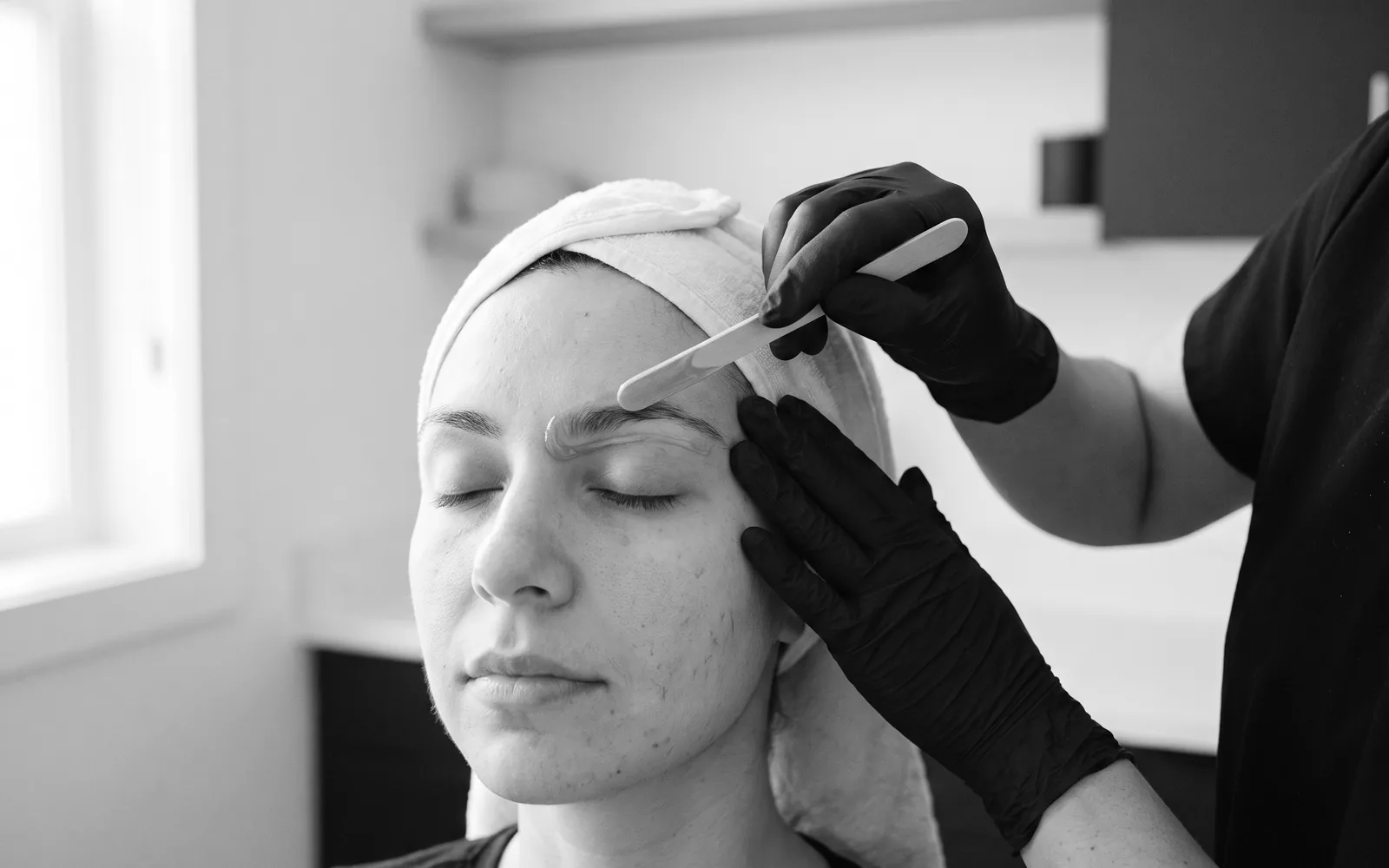
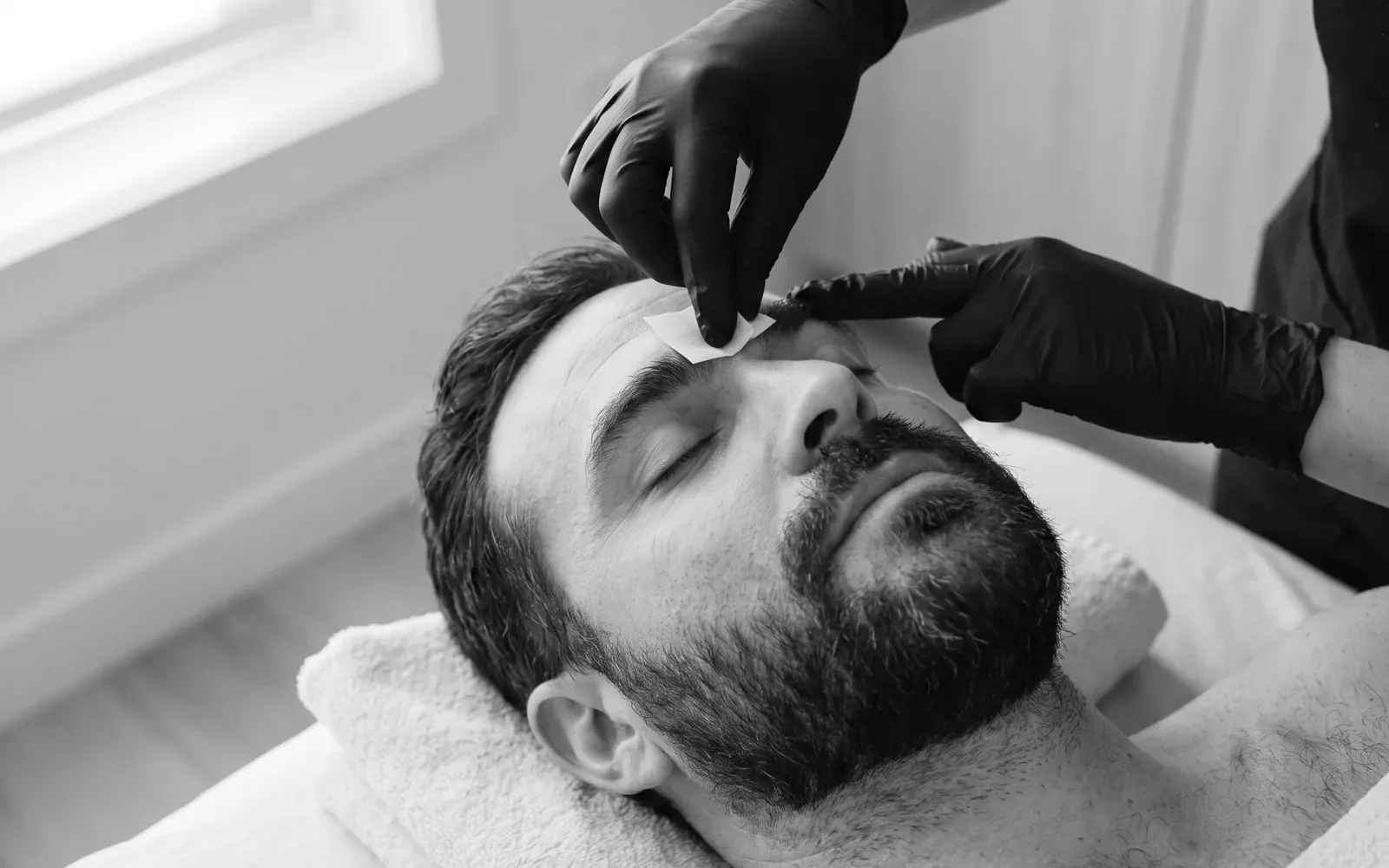
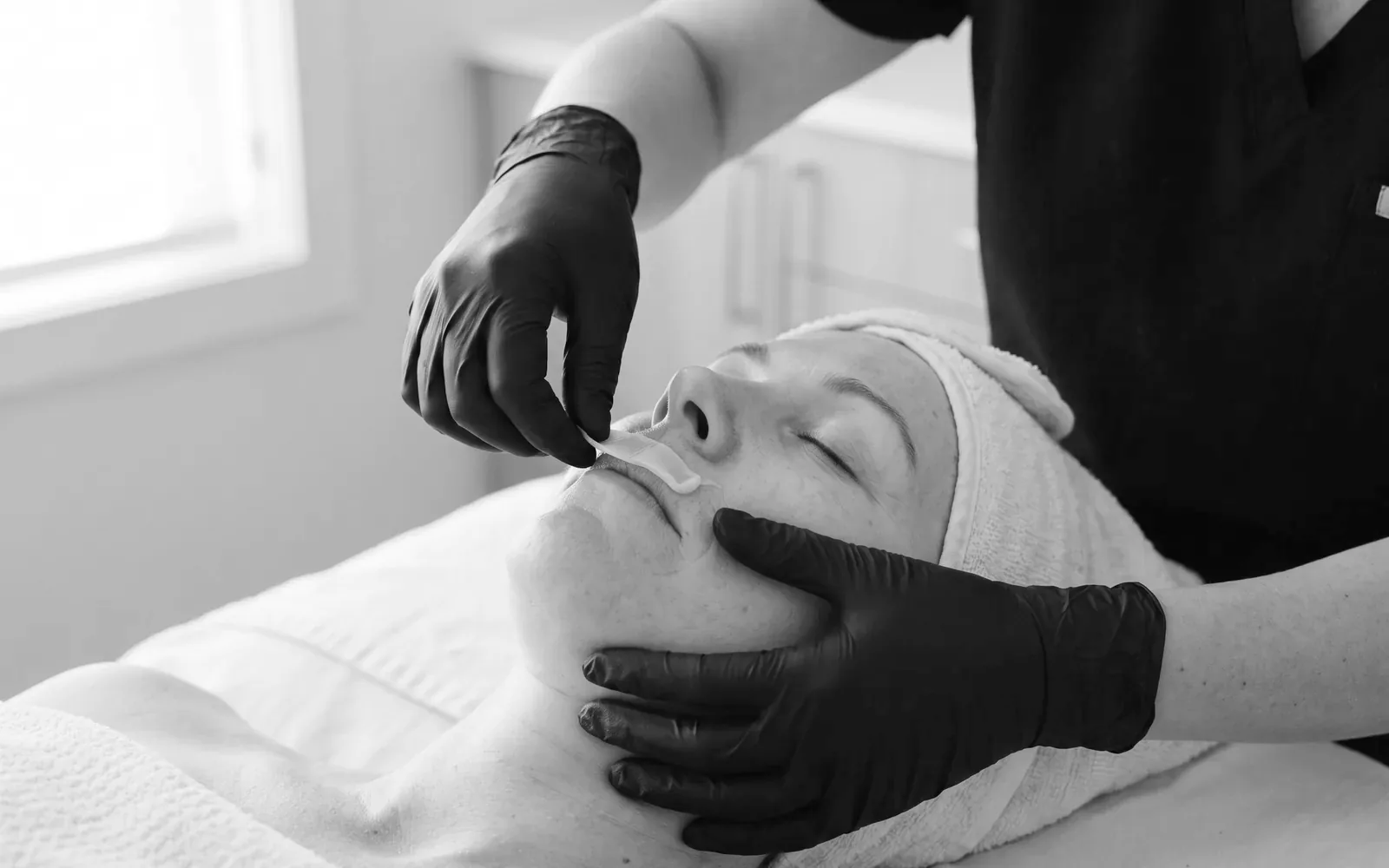
At BZ Esthetics Studio in Copley, Ohio, we offer facial waxing for the brows, upper lip, chin and nose, and we get this question from clients across Summit County and Northeast Ohio. This guide explains why a hair sometimes gets stuck, what to do in the days after a wax, what to skip, and when a bump is a reason to call your healthcare provider instead of waiting it out.
What You Need to Know About Ingrown Hairs After Facial Waxing
- They are common and usually small. A tiny, tender bump with a hair trapped under it is a familiar annoyance for many people who remove facial hair by any method.
- Gentle beats aggressive. Rough scrubbing, picking and heavy products right after a wax tend to irritate the skin and can make hairs more likely to get stuck.
- Timing matters. Wait until the waxed area feels comfortable before adding exfoliation, and begin softly.
- Clean hands and clean tools. Touching the area, or using tools that are not clean, adds irritation you do not need.
- Hands off. Picking or squeezing a bump can leave marks and may make it look and feel worse.
- Some bumps need a professional. If a bump is painful, swollen, warm, draining or keeps coming back, check with your healthcare provider.
What Is an Ingrown Hair?
An ingrown hair happens when a hair does not exit the follicle cleanly. Sometimes the tip curls and grows back into the skin. Cleveland Clinic describes it as a strand of hair that grows back into the skin, and explains that removing hair by shaving, waxing or tweezing can cause ingrown hairs. Other times the hair stays trapped beneath the surface, where the skin can react to it with a small, pink or red bump that may feel tender. Some bumps have a visible hair line inside, and some look like a small pimple.
Not every bump after waxing is an ingrown hair. Waxing can leave the skin pink and slightly raised for a short time, and some people notice small bumps around the follicles that settle on their own. If you are unsure what a bump is, that is a perfectly good reason to ask a professional rather than guess.
Why Ingrown Hairs Happen After Facial Waxing
Ingrown hairs have more than one cause, and it helps to know the usual suspects so you can work around them. We describe them here in general terms, since every person's skin and hair are different.
Hair Growth Direction and Texture
Coarse or curly facial hair has a natural tendency to curve. When it grows back, a curled tip can point toward the skin rather than away from it. The NHS notes that you may be more likely to get ingrown hairs if you have coarse or curly hair. Chin hair is a common area where clients notice this, because hair there often grows in several directions at once.
Skin Buildup Over the Follicle
Everyday dead skin cells sit on the surface of the face. When too many gather over a follicle opening, a fine regrowing hair can have a harder time getting through. Dry, dull-feeling skin often holds onto more of this surface layer.
Irritation While the Skin Settles
Right after a wax, the skin is more reactive than usual. Friction from rubbing, heat, sweat, makeup applied with dirty brushes and picking can all add irritation. Irritated skin can swell slightly around the follicle, which narrows the path a new hair has to take.
Hair Breaking Instead of Releasing
When hair is too short, too long or removed at an awkward angle, it can break off beneath the surface. A broken hair may then regrow under the skin instead of rising cleanly. This is one reason technique and hair length both matter, which we cover below.
How to Prevent Ingrown Hairs After Facial Waxing
Think of prevention as three phases: before the appointment, the first couple of days, and the weeks that follow. For a full routine, our guide to post-wax skincare walks through the aftercare day by day. This section focuses on the habits that specifically relate to ingrown hairs.
Before Your Appointment
- Step 1: Let the hair grow to a workable length. Our esthetician can wax hair most effectively when it has grown in enough to be gripped. Our facial waxing for beginners guide explains how long that typically is for each area.
- Step 2: Arrive with clean, product-free skin. Skip heavy creams and makeup on the area. If you are comfortable doing so, tell us beforehand about anything you have recently applied.
- Step 3: Mention your history. If you have had ingrown hairs before, let your esthetician know where. We can pay closer attention to hair direction in that area and talk through a plan.
In the First 24 to 48 Hours
- Step 1: Keep your hands off. Resist the urge to touch, rub or check the area. If you need to touch your face, wash your hands first.
- Step 2: Cleanse gently. Use lukewarm water and a mild cleanser. Pat the skin dry with a clean towel rather than rubbing.
- Step 3: Skip heat and friction. Hot showers, saunas, steam rooms and sweaty workouts can irritate freshly waxed skin. Many people find it easier to wait a day or two before heat or a hard workout.
- Step 4: Go light on makeup. If you need to wear makeup, use clean brushes and sponges, and cleanse it off at the end of the day.
- Step 5: Moisturize lightly. A simple, fragrance-free moisturizer can keep the skin comfortable and flexible. Keep the layer thin.
- Step 6: Protect from the sun. Waxed skin can be more sun-sensitive, so wear sunscreen on the area when you are outdoors.
In the Weeks That Follow
- Step 1: Begin gentle exfoliation once the skin feels calm. Many people wait a few days after a wax, then start with a soft approach, such as a damp washcloth used with very light pressure or a mild exfoliating product once or twice a week. The American Academy of Dermatology describes a gentle, massage-like motion as a way that can help remove dead skin cells, and the American Academy of Dermatology cautions that over-exfoliating can leave skin red and irritated, so gentle and occasional is the idea. If you are unsure which product suits your skin, our skincare routine by skin type guide can help you choose a direction.
- Step 2: Keep moisture steady. Skin that stays comfortably hydrated is generally more flexible, which can help new hairs come through.
- Step 3: Stay consistent with your schedule. Waxing at regular intervals, rather than on and off, means hair tends to grow back more evenly. Our guide on how often to wax your face covers a typical schedule for each area.
- Step 4: Keep the area clean. Wash your face as usual, and rinse off sweat after exercise.
What Not to Do When You Think You Have an Ingrown Hair
When a bump appears, the instinct is to do something about it right away. These are the common mistakes to avoid.
- Do not pick, squeeze or dig. Using fingernails or tweezers to go after a hair under the skin can irritate the area, leave a mark and open the door to more redness. The NHS advises that scratching, picking or squeezing can damage your skin and lead to infection, and Cleveland Clinic likewise says not to pick at, scratch or pop ingrown hairs to help prevent scarring or infection.
- Do not scrub harder. More pressure usually means more irritation, not a smoother result.
- Do not wax over the bump. Waxing an area that is already tender or inflamed adds stress to skin that needs a rest. Let the area calm down first, and tell your esthetician about it before your next appointment.
- Do not layer strong products. Stacking exfoliating products, or using them on tender skin, can leave the face feeling raw. If you use a prescription or retinoid product, ask your healthcare provider how it fits with waxing and exfoliating before you start a new routine.
- Do not share towels or tools. Use a clean towel for your face and keep tweezers and brushes clean.
- Do not rush to try several things at once. Changing five habits simultaneously makes it hard to tell what is helping.
How Dermaplaning and Gentle Exfoliation Fit In
Some clients ask whether a smoothing service can keep the surface of the skin tidy between waxes. Dermaplaning is a blade exfoliation add-on that sweeps away dead skin cells and fine peach fuzz, and many clients enjoy how smooth it makes the skin look and feel. Our dermaplaning guide explains what happens during the service.
Because both waxing and dermaplaning work on the surface of the skin, we do not suggest stacking them without a plan. Tell your esthetician when your last wax or dermaplaning visit was, and we will help you space services so your skin has time to settle in between. Likewise, a gentle lactic or glycolic peel add-on is a surface-level exfoliation option, and our peel preparation guide explains how to time it around other services. Results vary, and no service can promise you will never get an ingrown hair.
When to See a Healthcare Provider About a Bump
Most small bumps that you leave alone are minor. The NHS advises seeking medical advice if an ingrown hair or the skin around it is very painful, hot or swollen, or if you also have a high temperature or feel unwell. A bump that does not behave like a minor one deserves a look from your healthcare provider. Please contact your healthcare provider if you notice any of the following:
- Pain that is more than mild tenderness, or pain that is increasing.
- Swelling, warmth or spreading redness around the bump.
- Pus or drainage, or a bump that looks like it has a yellow or white center and keeps growing.
- Fever or feeling unwell along with a skin change.
- Bumps that keep returning in the same area, or that leave dark marks or scars.
- Any bump you cannot identify, or one that changes in size, shape or color.
If you have a skin condition, are pregnant, take medication, or use prescription skincare, consult your healthcare provider before waxing or starting a new exfoliation routine. We are estheticians, not medical providers, so we do not diagnose skin concerns. We are glad to talk through your waxing plans, and a good esthetician will tell you if a visit with your provider makes sense before continuing.
Frequently Asked Questions
Can I prevent ingrown hairs completely?
No routine can promise that you will never get one. Habits like gentle exfoliation, clean hands and leaving the skin alone can help lower the chance, but hair type, growth direction and skin all play a part. Results vary from person to person.
How long should I wait to exfoliate after waxing?
Many people wait a few days, until the skin looks and feels calm, and then begin very gently. If the area is still pink, tender or warm, give it more time. If you use prescription skincare or have a skin condition, ask your healthcare provider about timing.
Are ingrown hairs more common on the chin?
Many clients notice them there, since chin hair often grows in several directions and can be coarser. The brows, upper lip and nose can also be affected. Tell your esthetician where you have noticed bumps, and we can pay close attention to those areas.
Should I stop waxing if I get an ingrown hair?
Not necessarily, but do not wax over a bump that is tender or irritated. Let the area calm down, mention it at your next visit, and talk with your healthcare provider if the bump is painful, swollen or recurring.
Can I tweeze an ingrown hair myself?
We suggest leaving it alone. Digging for a hair under the skin can irritate the area and leave a mark. If a bump bothers you or does not settle, check in with your healthcare provider.
Why Choose a Professional for Facial Waxing
Technique and preparation both play a part in how a wax feels afterward. A trained esthetician looks at hair direction, hair length and skin condition before starting, uses gentle hard wax suited to the face, applies and removes it with the right angle and pressure, and keeps the workspace and tools clean. Good estheticians typically talk through aftercare so clients know what to do and what to skip. If you have questions about aftercare, ask your esthetician at your appointment.
Our waxing services are limited to the brows, upper lip, chin and nose, and we focus on doing those areas carefully. You can browse all of our hair removal services to see the appointment lengths. Brows run about 15 minutes, and the upper lip, chin and nose each run about 10 minutes.
Book Your Facial Waxing Appointment in Copley
If you would like a careful facial wax and a plan for aftercare, we would love to see you. BZ Esthetics Studio proudly serves Copley, Fairlawn, Akron and Summit County, as well as clients from Bath Township and Montrose. You can book a brow wax online, or book an appointment for the upper lip, chin or nose. If you have questions first, contact us and we will help you decide.
Results vary from person to person, and this article is general information, not medical advice.
Book your visit
BZ Esthetics Studio is in Copley, Ohio. Every visit is by appointment.
BZ Esthetics Team
Our team of licensed estheticians and beauty professionals share their expertise to help you achieve your beauty goals. Every article is researched, fact-checked, and written with your wellness in mind.