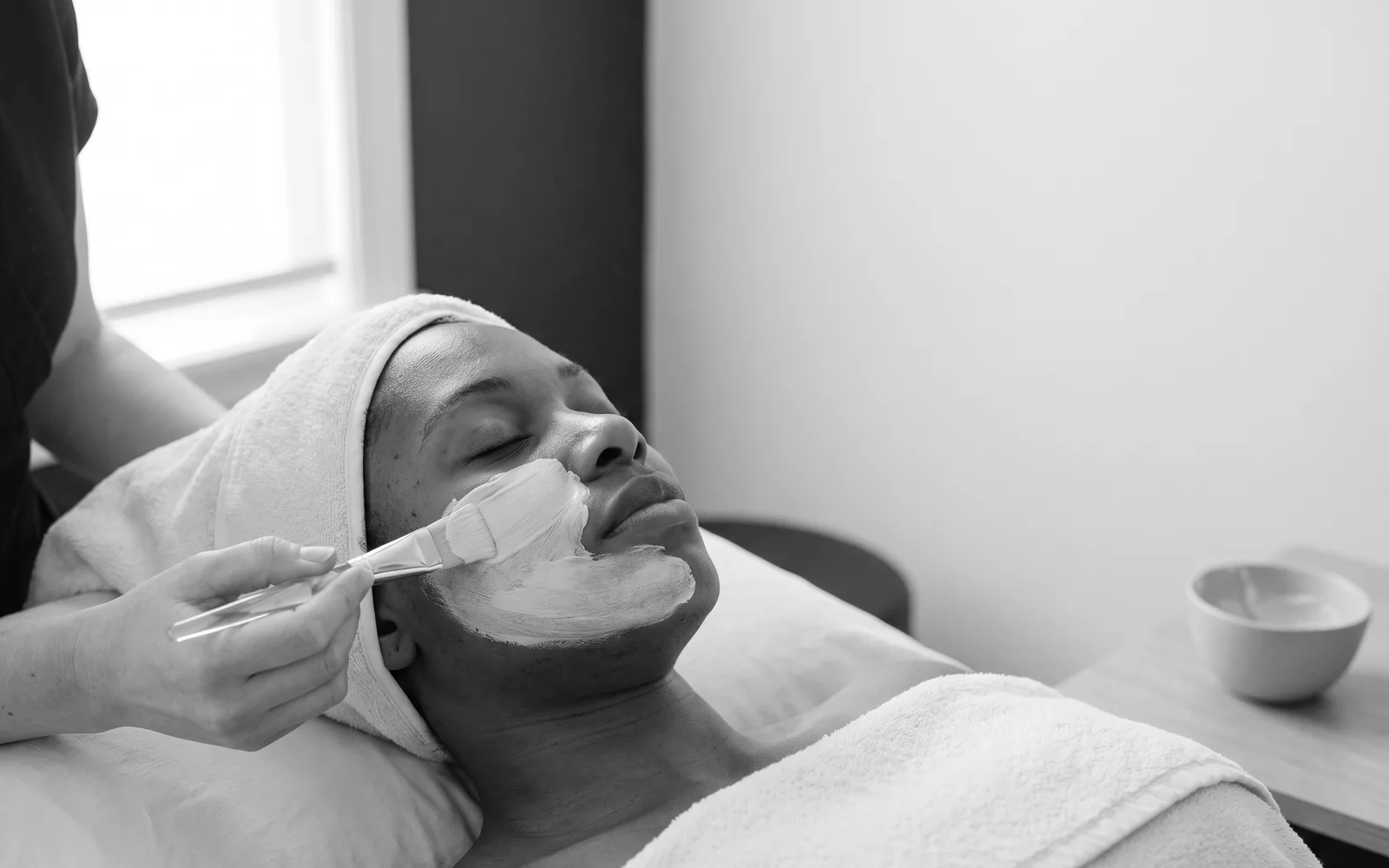

Skincare Routine for Your Skin Type: Oily, Dry, Combination, Sensitive and Normal
Find your skin type with a simple at-home test, then follow a morning and evening routine and the facial that suits oily, dry, combination or sensitive skin.
The right skincare routine for your skin type comes down to two decisions: identify whether your skin is oily, dry, combination, sensitive or normal, then match a simple morning and evening routine to it. Oily skin wants lightweight, balancing products. Dry skin wants richer, cushioning ones. Combination skin wants a little of both, sensitive skin wants fewer and gentler ingredients, and normal skin mainly wants consistency and daily sunscreen.
At BZ Esthetics Studio in Copley, Ohio, we care for every skin type, and we see how much Northeast Ohio's seasons change what skin needs, from dry, heated-air winters to sticky, humid summers. Below you will find a simple at-home test, a routine for each type, the ingredients to look for, and the facial that tends to suit each one.
What You Need to Know About Your Skin Type
- Your skin type is your baseline. It describes how much oil your skin makes and how easily it reacts.
- There are five common skin types: oily, dry, combination, sensitive and normal. Many people sit somewhere between two of them.
- Skin type can shift. Seasons, age, hormones and indoor heating can all nudge your skin in one direction or another.
- Sunscreen is for every skin type, every morning, all year, including cloudy Ohio days; the American Academy of Dermatology recommends a broad-spectrum sunscreen with an SPF of 30 or higher.
- Skin conditions are not skin types. Acne, rosacea, eczema and persistent redness belong with your healthcare provider first.
If you want the general order of skincare steps before you tailor them, our guide to building the perfect skincare routine covers it. This guide focuses on adjusting each step to your type.
How to Identify Your Skin Type at Home
A bare-face test, done on a day when your skin is not irritated or sunburned, tells you most of what you need to know.
The Bare-Face Test, Step by Step
- Step 1: Cleanse. Wash your face with a mild, fragrance-free cleanser and lukewarm water, then pat dry with a clean towel, which matches the American Academy of Dermatology advice to rinse with lukewarm water and pat dry with a soft towel.
- Step 2: Wait. Apply nothing for about an hour. No toner, serum, moisturizer or makeup.
- Step 3: Observe. In natural light, notice whether your skin feels tight, looks shiny or simply feels comfortable.
- Step 4: Blot. Press a clean blotting paper gently on your forehead, nose, chin and cheeks, and check each sheet.
What Your Results Mean
- Oily: shine across most of your face, oil on every blotting sheet, and pores that look more visible, especially around the nose.
- Dry: a tight or rough feel, possible flaking, and little or no oil on the paper.
- Combination: oil on the forehead, nose and chin (the T-zone), with normal or dry cheeks.
- Sensitive: stinging, itching or redness after cleansing or after trying new products, often alongside dryness or oiliness.
- Normal: comfortable, balanced skin with little shine, little tightness and few reactions.
Skin Type, Skin Concern or Skin Condition?
Your type is your baseline. A concern, such as dullness, uneven tone or dehydration, can show up on any type. A skin condition, such as acne, rosacea, eczema or psoriasis, is a medical matter. If you suspect one, consult your healthcare provider before changing your routine or booking a facial, and share their guidance with your esthetician.
Skincare Routine for Oily Skin
Oily skin produces more sebum, which tends to show up as midday shine and more visible pores. The goal is balance, not stripping. Harsh cleansers and skipped moisturizer often leave skin feeling tight on the surface while it still looks shiny, because oily skin still needs water. The AAD notes that a face wash that is too harsh can irritate skin and trigger increased oil production, and that moisturizer is still important for oily skin.
Morning and Evening Routine for Oily Skin
- Morning: a gel or foaming cleanser, a lightweight water-based serum, an oil-free gel moisturizer, and a broad-spectrum sunscreen with a matte or fluid finish.
- Evening: cleanse once, or twice if you wore sunscreen or makeup, apply an exfoliating serum on the nights you use one, and finish with the same light moisturizer.
- Weekly: a clay mask once a week can help absorb excess oil and leave skin feeling refreshed.
Ingredients and Facials for Oily Skin
Look for salicylic acid, an oil-soluble exfoliating acid that can help keep pores clear; niacinamide, which Cleveland Clinic says may help regulate the amount of oil your glands produce; and lightweight humectants such as hyaluronic acid and glycerin. Labels that say noncomedogenic or oil-free are a useful first filter, and the AAD adds that salicylic, glycolic and lactic acids can help reduce oiliness but may be too harsh for some skin.
On our menu, the Clear & Calm Facial (60 minutes) is built around clarifying and calming, which suits oily, congested-feeling skin. The BZ Glow Express (30 minutes) is a quick refresh between full facials, and a Gentle Glycolic Peel add-on can help skin look smoother and brighter once your esthetician feels your skin is ready for it.
Skincare Routine for Dry Skin
Dry skin makes less oil, so it loses moisture more easily and can feel tight, rough or flaky, especially right after cleansing. The goal is to cleanse gently and build comfort back with layers of hydration and richer moisture.
Morning and Evening Routine for Dry Skin
- Morning: a cream or milk cleanser, or simply a lukewarm water rinse, a hydrating serum on slightly damp skin, a rich moisturizer, and sunscreen.
- Evening: a gentle cream cleanser or cleansing balm, a hydrating serum, a nourishing night cream, and, if you like, a few drops of facial oil pressed on top.
- Weekly: gentle exfoliation about once a week, rather than more often, to keep dry flakes from building up.
Ingredients and Facials for Dry Skin
Look for humectants such as hyaluronic acid and glycerin, which, as Harvard Health explains, draw water into the skin, with a greasy layer on top to hold it in; ceramides and fatty acids, which support the skin's moisture barrier; and emollients such as squalane and shea butter. Early research suggests ceramide-containing preparations can improve dry skin and barrier function, although the review of those studies looked at people with atopic dermatitis and called for larger trials. The AAD also notes that ointments and creams add more moisture to skin and are more effective than lotions. Lactic acid is a gentler exfoliating acid that many people with dry skin tolerate well. Skip strong foaming cleansers and toners heavy in fragrance or alcohol.
The Quench Facial (60 minutes) focuses on deep hydration and plumping, which makes it a natural fit for dry skin, particularly in winter. You can pair it with a Gentle Lactic Peel add-on or with dermaplaning, which lifts away dry surface flakes and fine facial hair so moisturizer and makeup glide on more evenly.
Skincare Routine for Combination Skin
Combination skin can be the trickiest to shop for, because a product that suits your T-zone can feel too heavy on your cheeks, and the reverse. The answer is a gentle shared base with targeted extras only where you need them.
Morning and Evening Routine for Combination Skin
- Morning: a gentle gel or low-foam cleanser, a lightweight hydrating serum all over, a light lotion moisturizer, and sunscreen.
- Evening: cleanse, apply a balancing serum to the T-zone, add a slightly richer cream to dry areas only, and keep the rest of your face light.
- Weekly: try multi-masking, with a clay mask on the T-zone and a hydrating mask on the cheeks at the same time.
Ingredients and Facials for Combination Skin
Niacinamide is a good all-over choice because it may suit both oily and drier areas; Cleveland Clinic says it may help regulate oil production and support the skin's lipid barrier. Use salicylic acid only where you see shine and congestion, and reach for hyaluronic acid and ceramides where you feel tight.
The Radiance Reset Facial (60 minutes) focuses on brightening and texture refinement, a good match for the uneven texture combination skin often shows. Mention where you feel oily and where you feel tight when you arrive, so products can be chosen zone by zone.
Skincare Routine for Sensitive Skin
Sensitive skin reacts easily, with stinging, tightness or redness after cleansing, new products, cold wind or heat. Here, less really is more: fewer products, fewer ingredients and fewer changes at once.
Morning and Evening Routine for Sensitive Skin
- Morning: a lukewarm water rinse or a creamy, fragrance-free cleanser, a simple moisturizer, and a mineral sunscreen with zinc oxide or titanium dioxide, which many sensitive types find gentler; Cleveland Clinic notes that mineral sunscreen may be more comfortable, especially if you have sensitive skin.
- Evening: the same gentle cleanser and a soothing moisturizer. Add only one new product at a time, and patch test it on your jawline or inner arm for several days first. The AAD notes that testing products on small areas of skin first can help predict a negative reaction.
- Weekly: skip gritty scrubs entirely and keep exfoliating acids to a minimum unless your esthetician suggests otherwise.
Ingredients and Facials for Sensitive Skin
Look for short ingredient lists and calming ingredients such as colloidal oatmeal, aloe, panthenol, allantoin and ceramides. According to Cleveland Clinic, for many dry skin conditions a moisturizer with colloidal oatmeal may work better than a plain moisturizer alone. Common triggers include fragrance, essential oils, drying alcohols and harsh scrubs. If your redness is persistent, burns, or comes with bumps, consult your healthcare provider, because those signs can point to a skin condition rather than a skin type.
Tell your esthetician what your skin has reacted to in the past. The calming focus of the Clear & Calm Facial and the gentle hydration of the Quench Facial are comfortable places to begin, and LED light therapy is a relaxing, no-downtime add-on. Ask before booking a peel or dermaplaning, since those may not suit reactive skin.
Skincare Routine for Normal Skin
Normal skin is balanced: not especially oily, not especially dry, and rarely reactive. It is the easiest type to care for, which is also why it is the easiest to neglect. Your routine is about protection and maintenance.
Morning and Evening Routine for Normal Skin
- Morning: a gentle cleanser, an antioxidant serum such as vitamin C if you enjoy one, a medium-weight moisturizer, and sunscreen.
- Evening: cleanse and moisturize. If you want to focus on long-term smoothness, consider adding a retinoid slowly, a few nights a week. The AAD describes retinol as routinely used to improve uneven skin tone, pigmentation and texture, and a dermatologist there advises starting every other night and building up slowly. If you are pregnant, nursing or taking medication, consult your healthcare provider before using retinoids. On nights you use a retinoid, skip exfoliating acids, and tell your esthetician about it before a peel, dermaplaning or facial waxing, since these may need to be paused or adjusted.
- Weekly: a gentle exfoliant once or twice a week is plenty, since the AAD cautions that over-exfoliating could lead to skin that is red and irritated.
Ingredients and Facials for Normal Skin
Antioxidants, hyaluronic acid and a reliable sunscreen do most of the work. If you are starting to notice fine lines or a loss of firmness, our guide to understanding skin aging covers prevention in more depth.
Normal skin can enjoy the whole facials menu. The Radiance Reset Facial makes a good seasonal refresh, the Lift & Sculpt Facial (60 minutes) brings a firming and lifting focus, and the BZ Red Carpet Facial (90 minutes), our longest facial, is a lovely choice before a special occasion.
How to Adjust Your Routine for Northeast Ohio Seasons
Copley and the rest of Summit County see real swings across the year, and your skin notices.
Winter: Dry Air and Indoor Heating
Cold wind outside and forced-air heat inside pull moisture from every skin type. Switch to a creamier cleanser, add a richer moisturizer or a facial oil at night, run a humidifier in your bedroom (the AAD suggests a humidifier can boost the humidity level in your home), and keep showers lukewarm. Even oily skin often needs a step up in hydration from December through March.
Summer: Humidity and Sun
Humid summers can leave skin feeling slick. Lighten your moisturizer, switch to gel textures, and reapply sunscreen about every two hours when you are outdoors, as the AAD advises, and right after swimming, sweating or toweling off.
Spring and Fall: Time to Reassess
The transition seasons are a natural moment to repeat the bare-face test, and a facial at each change of season is a good time to fine-tune your home routine with an esthetician.
Common Skincare Mistakes by Skin Type
- Oily skin: over-washing and skipping moisturizer.
- Dry skin: hot showers, foaming cleansers and scrubbing at flakes.
- Combination skin: one heavy or one stripping product across the whole face.
- Sensitive skin: starting several new products at once, so you cannot tell what caused a reaction.
- Normal skin: skipping sunscreen because nothing seems wrong.
- Every type: expecting overnight change. Give a new routine about four to six weeks of consistent use before you judge it.
Frequently Asked Questions
Can your skin type change over time?
Yes. Skin often shifts with age, hormones, climate and seasons, and many people in Northeast Ohio feel drier in winter and oilier in summer. Repeat the bare-face test whenever your routine stops feeling comfortable, and adjust textures and steps to match.
What is the difference between dry and dehydrated skin?
Dry skin is a type that makes less oil. Dehydrated skin is a temporary state that lacks water, and it can happen to any type, including oily skin. Dehydrated skin usually feels better with humectants such as hyaluronic acid and glycerin, plus a moisturizer that helps hold that water in, as Harvard Health describes.
How often should I get a facial for my skin type?
Many clients book a facial every four to six weeks for steady maintenance. Others prefer one each season, with a BZ Glow Express in between. Your esthetician can suggest a rhythm that fits your skin and your schedule.
Should I see an esthetician or a healthcare provider first?
If you have acne, rosacea, eczema or another skin condition, start with your healthcare provider. An esthetician focuses on cosmetic care and relaxation, and a facial can complement, never replace, the plan your provider recommends.
Why Choose a Professional Esthetician for Your Skin Type
Store shelves and online quizzes only go so far. A trained esthetician looks at your skin in person, asks about your routine and lifestyle, and notices things that are hard to see in a bathroom mirror, such as dehydration on oily skin or sensitivity hiding behind dryness.
- An accurate read on your skin type, so you stop guessing.
- A facial matched to that type, with enhancements added only when they suit your skin.
- Practical home-care guidance you can shop for anywhere.
- Seasonal check-ins that keep your routine in step with Northeast Ohio weather.
Book Your Skin-Type Facial in Copley
Serving Copley, Fairlawn, Akron, Bath Township and Montrose, BZ Esthetics Studio is a calm, welcoming place to get a professional read on your skin and a facial matched to it.
When you are ready, book an appointment online, or contact us with any questions first. If you have a skin condition, are pregnant, or take medication that affects your skin, consult your healthcare provider before your visit.
Results vary from person to person, and this article is general information, not medical advice.
Book in Copley
BZ Esthetics Studio is in Copley, Ohio. Every visit is by appointment.
BZ Esthetics Team
Our team of licensed estheticians and beauty professionals share their expertise to help you achieve your beauty goals. Every article is researched, fact-checked, and written with your wellness in mind.