
Skincare Routine Step by Step: Morning, Evening and Order
Build a skincare routine in the right order, morning and evening, add products safely and see where a professional facial fits.
A good skincare routine follows one simple rule: apply products from the thinnest, lightest texture to the thickest, and finish every morning with sunscreen. In practice, that means cleanse, treat, moisturize and protect in the morning, then cleanse thoroughly, treat and moisturize at night, adding only one new product at a time so you can see how your skin responds.
At BZ Esthetics Studio in Copley, Ohio, we meet many clients from Fairlawn, Akron and the surrounding area who own a full shelf of products but are not sure what order to use them in or which ones they truly need. This guide walks you through the order, the reasons behind it, how to introduce new products safely, the mistakes we see most often, and where a professional facial fits into the picture.
What You Need to Know About Building a Skincare Routine
- Order matters. Thin, watery products go on first so they are not blocked by heavier creams and oils layered on top.
- Morning is for protection. Cleanse, apply a lightweight serum if you use one, moisturize, then finish with broad-spectrum sunscreen.
- Evening is for cleansing and care. Remove sunscreen and makeup fully, then apply treatment products and a moisturizer.
- Start small. Three or four steps done consistently beat ten steps done occasionally.
- Add one product at a time. Wait about two weeks before adding the next so you can tell what is helping and what is bothering your skin.
- Sunscreen is the step you do not skip. It belongs in every morning routine, including cloudy days and winter months in Northeast Ohio.
- Results vary. Skin responds differently from person to person, so patience and consistency matter more than any single product.
Why the Order of Your Skincare Steps Matters
Each layer you apply sits on top of the one before it, so the order affects how well products spread and feel. A rich cream applied first can sit on the surface and keep a lightweight serum from spreading evenly. Applying thin to thick lets each layer do its job, and it keeps your routine from feeling heavy or greasy. The American Academy of Dermatology notes that the sequence in which you apply products can affect how well they work, and Cleveland Clinic suggests ordering a routine from lightest to heaviest.
Skincare works like getting dressed: water-based products first, creams next, and anything oil-based or protective last, so it can hold everything else in place.
The order also protects your skin from irritation. Cleansing first removes oil, sweat and leftover product so that what you apply next sits on a clean surface. Moisturizing after treatment products helps your skin feel comfortable, and sunscreen as the final morning layer creates a shield over the top of everything.
How to Build a Morning Skincare Routine
Morning skin has one main job: stay comfortable and protected for the day ahead. You do not need many steps, but you do need the right ones in the right order.
- Step 1: Cleanse. Use a gentle cleanser that leaves your skin feeling clean, not tight. If your skin is on the dry or sensitive side and you cleansed well the night before, a splash of lukewarm water may be enough in the morning.
- Step 2: Tone or mist (optional). A hydrating toner or mist can add a layer of comfort. It is a pleasant extra, not a requirement, so skip it if it feels like one more thing to manage.
- Step 3: Serum (optional). A lightweight serum is a good place to add a targeted product, such as an antioxidant-style or hydrating serum. Apply it while your skin is still slightly damp for a smoother feel.
- Step 4: Eye cream (optional). The skin around the eyes is delicate. A small amount of a gentle eye product, patted on with your ring finger, is plenty.
- Step 5: Moisturize. Even oily skin benefits from moisture. Harvard Health explains that moisturizers supply a little water and contain a greasy substance that holds it in, so by trapping water, moisturizing can help with dry skin. Choose a lighter lotion if your skin runs oily and a richer cream if it runs dry.
- Step 6: Apply sunscreen. Use a broad-spectrum sunscreen of SPF 30 or higher, and apply it generously to your face, ears and neck. Let it settle for a minute before makeup.
Why sunscreen is the step you never skip
Sunscreen is the most important step in any routine, because sun exposure is a major everyday influence on how skin looks over time. UV light reaches you through windows and on overcast days, which is why we recommend it every single morning, not only at the lake or on vacation. The American Academy of Dermatology recommends a sunscreen with an SPF of 30 or higher, and Cleveland Clinic notes that UV exposure can happen on cloudy days. One published review notes that it has been reported that approximately 80% of facial skin aging may be attributed to UV exposure, and it describes rigorous sun protection as the best defense against age-related skin changes.
Many people under-apply, so cover the whole face and neck evenly and reapply as needed. The AAD advises reapplying sunscreen every two hours when you are outdoors, and immediately after swimming or sweating.
How to Build an Evening Skincare Routine
Evening is when your skin gets your full attention. You have time, you are not heading into the sun, and you can remove the day thoroughly before applying anything else.
- Step 1: Remove makeup and sunscreen. Start with a cleansing balm, oil cleanser or micellar water to dissolve sunscreen and makeup. Water alone will not lift them completely.
- Step 2: Cleanse again. Follow with your regular gentle cleanser. This pairing is often called a double cleanse, and it is especially helpful on days you wore makeup or sunscreen.
- Step 3: Exfoliate, one or two nights a week. Gentle exfoliation helps skin look smoother and more even. Use a mild chemical exfoliant or a soft cloth, and never scrub hard. More is not better here, and over-exfoliating can leave skin red, tight and sensitive. The AAD cautions that over-exfoliating could lead to skin that is red and irritated, and that the more aggressive the exfoliation, the less often it generally needs to be done.
- Step 4: Treat. This is the slot for a serum or treatment product aimed at your main concern, such as dullness, dryness or uneven tone. Add only one at a time.
- Step 5: Moisturize. A slightly richer moisturizer at night helps skin feel soft and comfortable by morning.
Where retinol and similar products fit
Retinol and other retinoids are popular evening products, but they are also among the most likely to cause dryness and irritation if you start too quickly. The American Academy of Dermatology describes retinol as a type of retinoid that is routinely used to improve uneven skin tone, pigmentation and texture, and a dermatologist quoted there advises using the least intense formula every other night to start and building up slowly. Because they are active ingredients that affect how your skin behaves, please talk with your healthcare provider before you begin one, especially if you are pregnant or planning to be, taking any medication, or managing a skin condition. If you already use a prescription product, follow your provider's directions rather than anything you read online, including this article.
How to Introduce New Products and Active Ingredients Safely
This is where many routines go wrong. A new serum, a new exfoliant and a new moisturizer all start on the same Monday, skin reacts on Thursday, and now you cannot tell which product to blame.
Use this approach instead.
- Patch test first. Apply a small amount to a test spot, such as the inner forearm or behind the ear, before putting a new product on your face. The AAD suggests applying the product to a test spot twice daily for seven to 10 days.
- Add one product at a time. Wait about two weeks before introducing the next one. If something irritates your skin, you will know exactly what caused it.
- Start slowly with actives. Use a new active ingredient every third night at first, then increase gradually only if your skin stays comfortable.
- Stop if your skin stings, burns or stays red. Pause the product, return to a gentle cleanser and moisturizer, and check in with your healthcare provider if the irritation lasts.
Common Skincare Routine Mistakes to Avoid
Several habits come up again and again in conversations with clients. The good news is that each one is easy to correct.
- Skipping sunscreen on cloudy days. UV light does not take the day off, so neither should your SPF.
- Using too many actives at once. Layering several strong products at the same time is a common cause of redness and tightness. The AAD notes that using too many products may irritate the skin, especially if you are using more than one anti-aging product.
- Over-cleansing. Washing more than twice a day, or using a cleanser that leaves your face squeaky, can leave skin dry and reactive. The AAD recommends limiting washing to twice a day and after sweating.
- Scrubbing instead of exfoliating gently. Rough scrubs and hard rubbing do not make skin smoother, and they can leave it feeling raw.
- Skipping moisturizer on oily skin. Skin that feels oily can still be short on hydration, and a light moisturizer helps it feel balanced. The AAD suggests choosing products labeled oil free and noncomedogenic, which are meant not to clog pores.
- Picking at breakouts or flakes. It tends to prolong the problem. If breakouts are persistent, painful or leaving marks, a healthcare provider can help you find the right path.
How Often Should You Change Your Skincare Routine?
Your routine is not a lifetime contract. It should shift with the seasons, your environment and the way your skin feels. In an Ohio winter, with dry indoor heat and cold wind, many people find they want a richer moisturizer and a gentler cleanser. In humid summers, a lighter lotion often feels better. The AAD notes that ointments and creams add more moisture to skin and are generally more effective than lotions.
If you start a new medication, become pregnant or notice a sudden change in your skin, check with your healthcare provider about which products are appropriate, and keep your routine simple while things settle.
For a routine tailored to oily, dry, combination, sensitive or normal skin, see our guide to a skincare routine by skin type.
How Professional Facials Fit Into Your Skincare Routine
A home routine is the daily work. A professional facial is the periodic reset. They complement each other, and neither replaces the other.
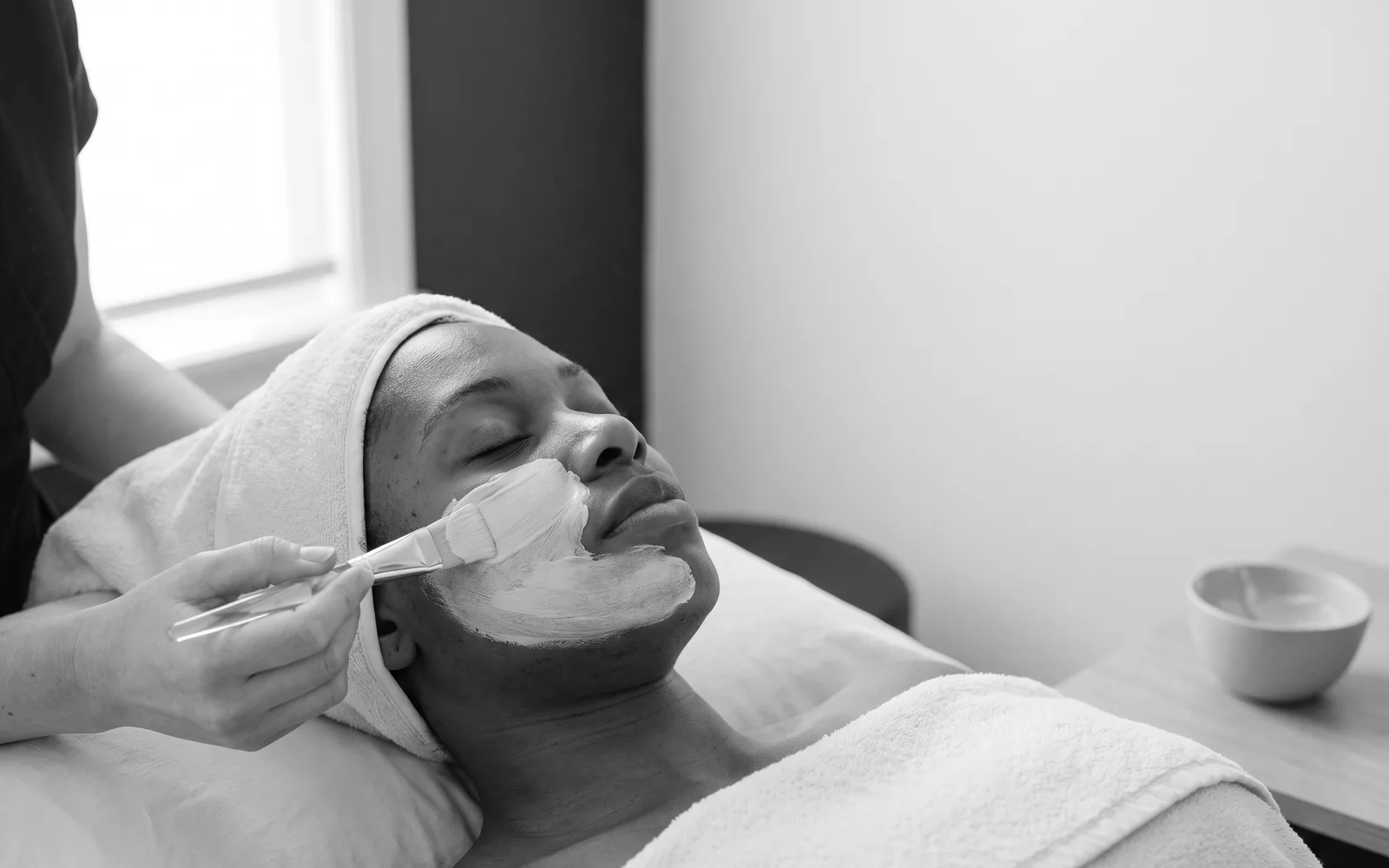
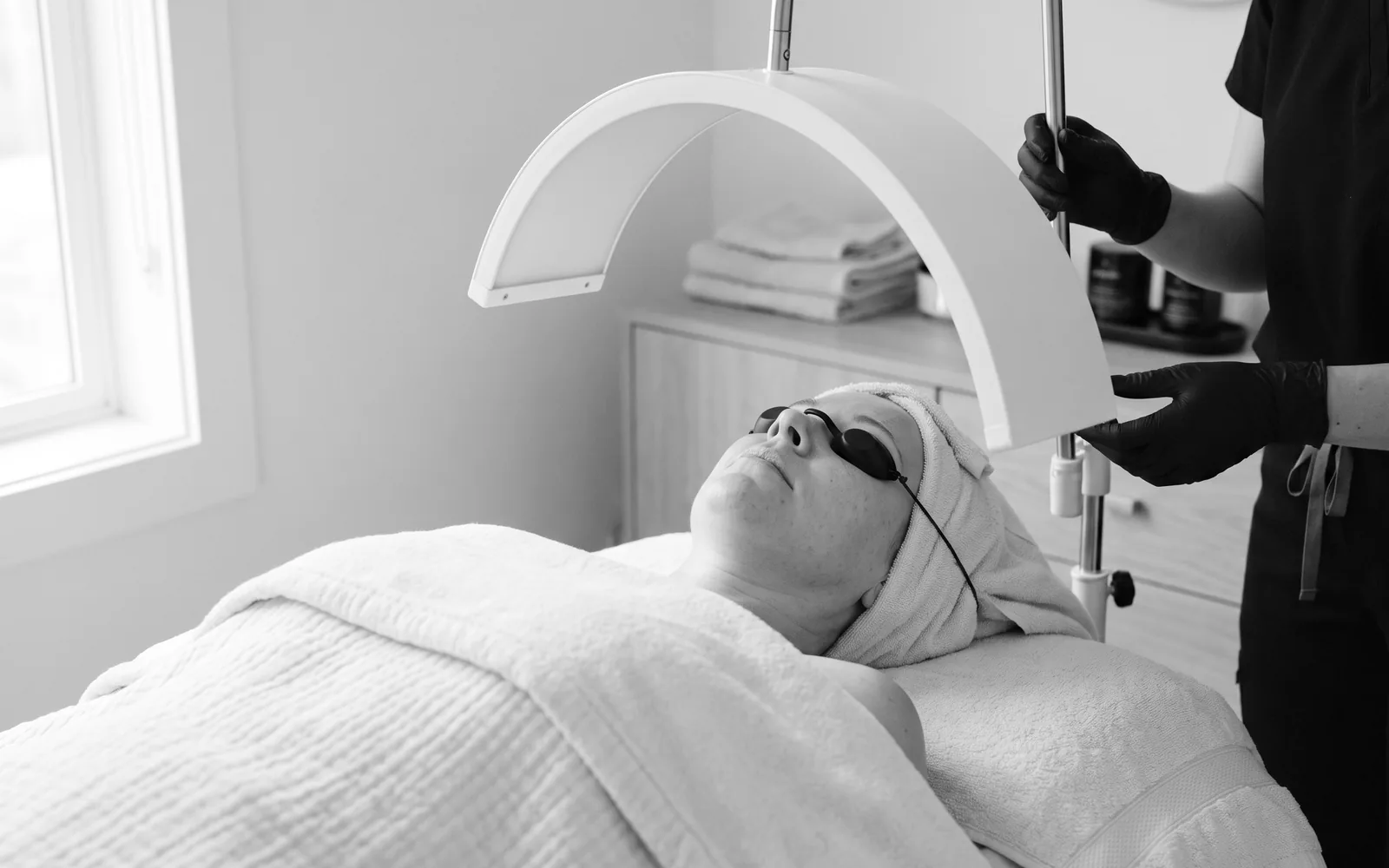
During a facial, a trained esthetician looks closely at your skin, cleanses and exfoliates with professional techniques, and customizes the treatment to how your skin looks and feels that day. You also get a person who can listen to your goals and tell you which steps at home are worth keeping.
Here is how our facial services line up with common goals. Every facial at the studio is a cosmetic, relaxation-focused service, and results vary from person to person.
- BZ Glow Express (30 minutes). A short express facial for a fresh, polished look when your schedule is tight.
- The Quench Facial (60 minutes). Designed for skin that feels dry or tight, with a focus on hydration and comfort.
- Radiance Reset Facial (60 minutes). Designed for skin that looks dull or uneven, with exfoliation and brightening steps.
- Clear & Calm Facial (60 minutes). Designed for breakout-prone skin that needs a calming, balanced approach.
- Lift & Sculpt Facial (60 minutes). Focused on a firmer-feeling, more refreshed look.
- The BZ Red Carpet Facial (90 minutes). Our longest, most indulgent facial, for special occasions or a full reset.
Many clients also add a gentle enhancement such as dermaplaning, a gentle lactic peel or a gentle glycolic peel. To compare options before you book, read our guide on how to choose the right facial.
How often to schedule a facial
Many clients book a facial every four to six weeks, a rhythm that fits comfortably alongside a home routine. Others come before a special event or at the change of seasons. There is no single right schedule, and your esthetician can help you decide what fits your skin and your calendar.
Caring for your skin after a facial
After a facial, keep your routine gentle for a day or two. Avoid heavy exfoliation and new products until your skin feels settled, and keep up with sunscreen. Our guide to post-facial care dos and don'ts covers the details.
Frequently Asked Questions
What is the correct order for a skincare routine?
Apply products from thinnest to thickest. In the morning, that is cleanser, optional toner, serum, eye product, moisturizer and sunscreen. At night, remove makeup and sunscreen, cleanse, treat, then moisturize. Sunscreen always goes last in the morning.
How many steps should a beginner routine have?
A beginner routine can be as simple as three steps: cleanser, moisturizer and sunscreen. Once your skin feels comfortable with those, add one extra product, such as a serum, and give it a couple of weeks before adding anything else.
Do I need a different routine at night than in the morning?
Yes, in most cases. Mornings focus on gentle cleansing, hydration and sun protection. Evenings focus on thoroughly removing sunscreen and makeup, then applying treatment products and a slightly richer moisturizer. If you have a skin condition or use prescription products, ask your healthcare provider how to arrange them.
Can I use retinol and exfoliating products together?
It is usually best not to layer strong active ingredients on the same night, because it can increase the chance of dryness and irritation. Speak with your healthcare provider before starting a retinoid, particularly if you are pregnant, take medication or have a skin condition, and follow their guidance on how to combine products.
How soon will I notice a difference from a new routine?
Many clients notice their skin feeling more comfortable within a few weeks, while changes in tone and texture usually take longer. Skin varies widely, so consistency and patience matter more than speed.
Why Choose a Professional Esthetician for Your Skin
A trained esthetician brings an informed, hands-on perspective that online advice cannot match. We assess your skin in person, choose techniques that suit it, and adjust as we go. That personal attention can save you from buying products you do not need and from combining ones that work against each other.
- A personalized assessment. Your skin is looked at today, not guessed at from a quiz.
- Professional techniques. Cleansing, exfoliation and massage performed with training and care.
- Honest guidance. We tell you which steps are worth keeping and which you can simplify.
- Clear boundaries. For medical concerns, prescriptions or persistent skin conditions, we point you to your healthcare provider.
You can learn more about the studio and our approach on our about page.
Book Your Skincare Consultation and Facial in Copley
If you are ready to simplify your routine and give your skin some professional attention, we would love to see you. BZ Esthetics Studio serves Copley, Fairlawn, Akron, Bath Township and the greater Summit County area. Book an appointment or reserve a Radiance Reset Facial online, or contact us with questions about which service suits you.
Results vary from person to person, and this article is general information, not medical advice.
Book your visit
BZ Esthetics Studio is in Copley, Ohio. Every visit is by appointment.
BZ Esthetics Team
Our team of licensed estheticians and beauty professionals share their expertise to help you achieve your beauty goals. Every article is researched, fact-checked, and written with your wellness in mind.