Post-Wax Skincare: Your Facial Waxing Aftercare Routine
A day-by-day post-wax skincare routine for brows, lip, chin and nose: what to do, what to skip, and when to call.
Good post-wax skincare for the face comes down to four habits: keep the skin cool, clean and calm for the first day, moisturize gently, protect it from the sun, and wait several days before bringing exfoliants and active ingredients back. Facial skin is thin and shows every bit of pinkness, so a few simple choices in the first 24 hours go a long way toward keeping your brows, upper lip, chin or nose looking fresh and comfortable.
This guide is written for clients of BZ Esthetics Studio in Copley, Ohio, and for anyone in Montrose, Fairlawn and the greater Akron area who wants a clear, day-by-day routine. It covers facial waxing only, because that is what our esthetician-led hair removal menu includes: brows, upper lip, chin and nose. Your own skin and your esthetician's instructions always come first, and results vary from person to person.
What You Need to Know About Post-Wax Skincare
- The first 24 hours matter most. Skin is more reactive than usual, so cool water, a light touch and minimal products are the rule.
- Mild pinkness is common. Many clients notice some redness or a slightly warm feel right after a wax. It typically settles within a few hours to a day.
- Skip heat, friction and fragrance at first. Hot showers, steam, saunas, rough towels and scented products tend to bother freshly waxed skin.
- Sun protection is not optional. Waxed skin can be more sun-sensitive for a few days, so shade, a hat and a mineral-type sunscreen are your friends.
- Wait on exfoliants and actives. Scrubs, acids, retinoids and similar products usually go back into your routine after several days, once the skin feels completely normal.
- Call us or your healthcare provider if something seems off. Strong pain, swelling, blisters, spreading redness or any sign of infection deserves prompt attention.
What Is Post-Wax Skincare, and Why Does It Matter?
Post-wax skincare is the short routine you follow after a wax appointment to keep the treated area comfortable and the skin looking calm. It is mostly a list of things to avoid, plus a handful of gentle steps.
On the face, this matters for a simple reason. When wax lifts away hair, it also lifts away a fine layer of surface cells, which is part of why skin often looks smooth afterward and also why it can feel a little tender. Cleveland Clinic notes that waxing can also help shed some dead skin cells by working as an exfoliant. Skin around the brows, upper lip and nose is thin and shows redness easily, and you touch, wash and put makeup on your face every day. Heat, friction, strong ingredients and sun all add stress to skin that is already a bit sensitized.
If you are new to facial waxing, our beginner's guide to facial waxing covers the appointment itself. This article picks up the moment you leave the chair.
The First 24 Hours After Your Wax
Right After Your Appointment
Listen to the instructions your esthetician gives you, and ask questions before you leave. A few good habits for the drive home and the rest of the day:
- Keep your hands off. Touching, rubbing and testing the area for smoothness transfers oil and bacteria from your fingers.
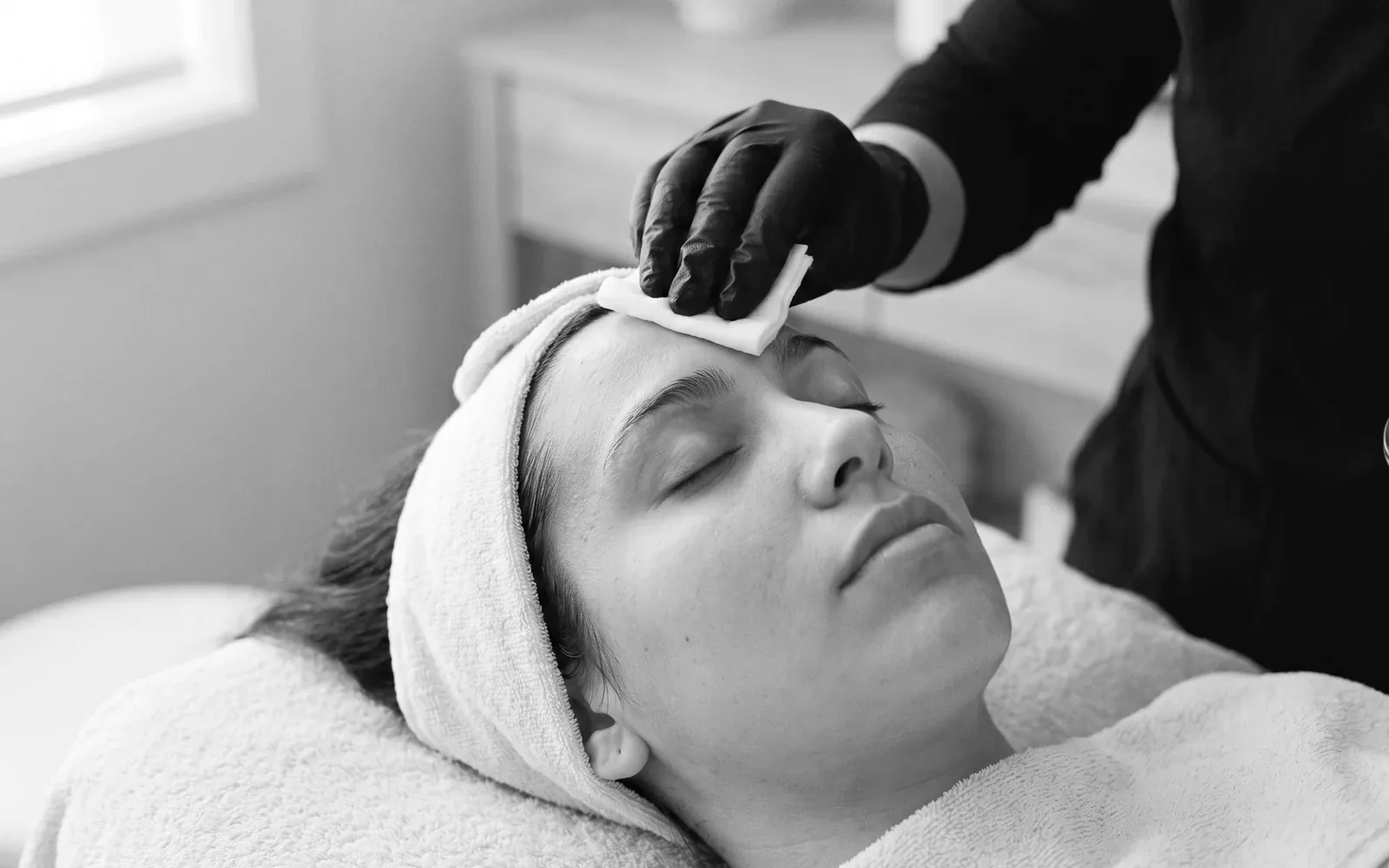
- Use a cool, clean compress if the area feels warm. A clean cloth rinsed in cool water and held lightly against the skin can feel soothing. Skip ice directly on the skin. The American Academy of Dermatology suggests soothing waxed skin with cold packs if you have pain.
Cleansing and Moisturizing on Day One
When it is time to wash your face, keep things simple:
- Step 1: Cleanse lightly. Use cool or lukewarm water and a mild, fragrance-free cleanser. Pat dry with a clean towel. Do not rub.
- Step 2: Moisturize gently. Apply a thin layer of a plain, fragrance-free moisturizer. Look for a simple formula rather than one with a long list of actives.
- Step 3: Protect. If you will be outside, wear a mineral-type sunscreen on the waxed areas, and reapply as directed on the label.
What to Avoid in the First 24 Hours
- Heat. Skip hot showers on your face, saunas, steam rooms, hot tubs and hot yoga. Heat can make skin look redder and feel more sensitive, and the American Academy of Dermatology likewise advises avoiding hot baths and showers after waxing.
- Hard workouts. Sweat and friction can bother fresh skin, so save an intense workout for the next day.
- Swimming. Chlorinated pools, hot tubs and lakes expose freshly waxed, tender skin to chemicals and bacteria. Many estheticians suggest waiting at least a day.
- Fragrance, alcohol and strong products. Perfumed lotions, toners with alcohol, scrubs, acids and retinoids can sting.
Days Two Through Seven: Easing Back Into Your Routine
Days Two and Three
Continue with a mild cleanser, a gentle moisturizer and daily sun protection. If your regular routine includes strong ingredients, hold off a little longer. Small, tight or itchy patches often mean the skin wants more moisture and less product.
Days Four Through Seven
If the area looks normal and feels comfortable, you can begin to return to your usual products one at a time. A sensible order:
- First, gentle hydrating products. Your regular moisturizer and any hydrating serum you already tolerate well.
- Next, mild exfoliation. Many estheticians suggest waiting roughly three to five days after a wax before a gentle exfoliation, and a full week if your skin is sensitive. Start with a mild product, use light pressure and begin with once a week. The American Academy of Dermatology cautions that over-exfoliating can leave skin red and irritated, which is one reason to go slowly.
- Last, stronger actives. Retinoids, higher-strength acids and similar products come back last, and only if the skin is completely calm. If you are not sure when to restart, ask your esthetician.
Add one product at a time, and stop any that stings or leaves the skin pink.
A Note on Ingrown Hairs
Fine bumps can sometimes appear as hair grows back, especially on the chin and along the upper lip. Gentle exfoliation once your skin is ready and consistent moisturizing are the habits that help most. For a full plan, see our guide to preventing and treating ingrown hairs after facial waxing. The short version: do not pick, squeeze or dig at them.
Products and Habits to Avoid After Waxing
Ingredients and Products
- Scented products. Fragrance, essential oils and perfumed cosmetics are common triggers for stinging and redness on waxed skin.
- Physical scrubs. Gritty scrubs rub against tender skin. Wait until it is fully comfortable, then choose a gentler option.
- Retinoids, acids and other actives. They encourage faster skin turnover, which can be too much right after a wax. Many people pause them for several days around a wax appointment, and your esthetician can tell you what makes sense for your routine.
Everyday Habits
- Shaving or using other hair removal methods in between. Shaving between waxes puts hairs on a different timeline, which can make your next wax less even, so many estheticians suggest leaving the area alone. If you are weighing options, our comparison of facial hair removal methods explains the differences.
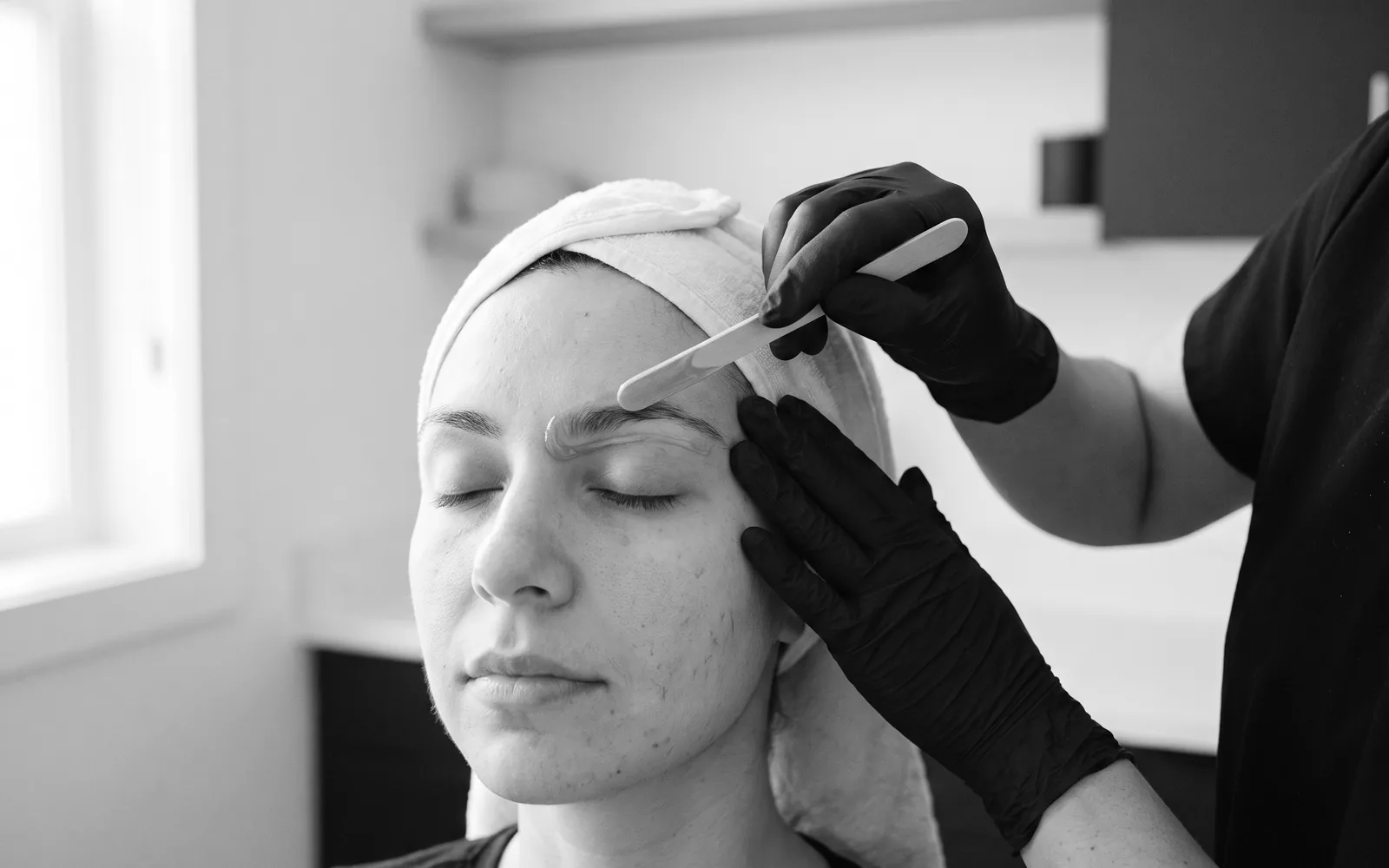
- Tweezing right away. For brows, leave stray hairs alone for a few days. Tweezing too soon can irritate the area, and your esthetician can clean up strays at your next visit.
Makeup After Facial Waxing
Many clients want to know when makeup is okay, especially before an event.
- Same day. If you can wait, leave the waxed area bare for the first several hours. If you need makeup, use clean hands or brushes, a light touch and lightweight, fragrance-free formulas.
- Brows. Avoid pressing pencils or powders into the area right away. Clean tools matter, because brushes and sponges carry bacteria.
- Upper lip and chin. Heavy foundation and concealer can be tough on warm, tender skin. A little tinted moisturizer is usually more comfortable.
Have a big event? Plan your wax a few days ahead. Our guide to how often to wax your face can help you pick a rhythm.
Sun, Heat and Everyday Exposure
Sun protection is the habit most often skipped. Skin that has just been waxed can be more reactive to sun for a few days, and sun exposure may leave the area looking pinker than it otherwise would. A wide-brimmed hat helps, and a mineral-type sunscreen applied as directed is a good daily habit regardless of waxing. Skip tanning beds and sunless tanners on the area for several days. For everyday protection, the American Academy of Dermatology recommends choosing a broad-spectrum, water-resistant sunscreen with an SPF of 30 or higher.
In a Northeast Ohio winter, wind and indoor heating can also leave skin dry and tight. Keep a gentle moisturizer within reach, and avoid long exposure to harsh wind right after a wax.
Pairing Waxing With Other Facial Services
Many clients combine a wax with another visit, and the order matters. Estheticians often prefer to wax at the end of a visit, or to schedule waxing and a facial on separate days, so skin is not overworked. Our gentle lactic and glycolic peel add-ons and our dermaplaning add-on exfoliate the surface of the skin, so it is wise to keep them away from a very recent wax on the same area. Mention your plans when you book an appointment, and your esthetician can suggest the best order. Our guides to preparing for a gentle facial peel and post-facial care cover timing in more detail.
When to Check With Your Esthetician or Healthcare Provider
Many people have an easy time after a wax. A few situations call for extra care:
- Before your appointment. If you use a prescription retinoid, take a medication that affects your skin, are pregnant, or have a skin condition, an allergy or a sensitivity, talk with your healthcare provider before waxing. Let your esthetician know too, so they can adjust the plan or advise against waxing that day.
- After your appointment. Contact your healthcare provider if you notice any of the following, and let the studio know as well: severe or increasing pain, swelling, blistering, oozing, a fever, redness that spreads or keeps growing after the first day or two, or anything that simply does not seem right.
- If you suspect an allergic reaction. Hives, a spreading rash or trouble breathing need prompt medical attention. Do not wait.
This is general information and cannot replace individualized advice from a healthcare professional. When in doubt, ask.
Frequently Asked Questions
How long does redness last after facial waxing?
Mild pinkness is common and typically fades within a few hours to a day, although it can last longer on fair or sensitive skin. A cool compress, gentle products and avoiding heat can help it settle. If redness is spreading or seems to be getting worse after a day or two, contact your esthetician or healthcare provider. The American Academy of Dermatology advises seeing a board-certified dermatologist if redness or swelling after waxing lasts more than two days.
When can I exfoliate or use retinol again?
It depends on your skin, but many estheticians suggest waiting about three to five days for gentle exfoliation, and longer for stronger actives such as retinoids or acids. Start with a mild product, add one new thing at a time and stop if the area stings. If you use a prescription retinoid, ask your healthcare provider and your esthetician how to schedule your wax around it.
Can I wear makeup or sunscreen after waxing?
Sunscreen is encouraged, and a mineral-type formula is often more comfortable on waxed skin. For makeup, waiting several hours is the gentlest option. If you need it sooner, use clean tools and light, fragrance-free products, and remove it gently at the end of the day.
What if I get bumps after waxing?
Small bumps can show up for some people as hair grows back. Keep the area clean, moisturized and free from picking. Once the skin feels comfortable, gentle exfoliation can help. Our guide to ingrown hairs after facial waxing goes through it in detail, and your esthetician can look at the area at your next visit.
Why Choose a Professional for Facial Waxing and Aftercare
Waxing is a skill, and so is aftercare. A trained esthetician brings:
- Technique that suits the face. Brows, upper lip, chin and nose each call for a slightly different approach. Our menu lists a Brows Wax at 15 minutes, Upper Lip, Chin and Nose Waxes at 10 minutes each, and Brow Shaping at 20 minutes.
- Skin awareness. Your esthetician can notice if your skin looks reactive that day and adjust, or suggest waiting.
- Personalized instructions. Every person's skin is different, so you receive guidance that fits your routine instead of a generic handout.
You can explore all of our hair removal services, and our local guide to facial waxing near Montrose and Fairlawn explains what to expect from each area.
Book Your Facial Wax in Copley
If you are ready for a polished, comfortable waxing visit with a clear aftercare plan, we would love to see you. BZ Esthetics Studio proudly serves clients from Copley, Montrose, Fairlawn, Akron and the rest of Summit County. Book your facial waxing appointment online whenever it suits you, or contact the studio with any questions about your skin and your routine.
We are happy to walk you through what to do at home, so you leave feeling confident.
Results vary from person to person, and this article is general information, not medical advice.
Book your visit
BZ Esthetics Studio is in Copley, Ohio. Every visit is by appointment.
BZ Esthetics Team
Our team of licensed estheticians and beauty professionals share their expertise to help you achieve your beauty goals. Every article is researched, fact-checked, and written with your wellness in mind.