Natural Lash Health: Habits for Stronger-Looking Lashes
Natural lash health starts with gentle habits and patience. Learn how lashes grow, what to stop doing, and when to ask a healthcare provider.
Natural lash health comes down to three things: gentle daily habits, patience with the natural growth cycle, and not asking your lashes to do more than they can. You cannot force a lash to grow faster, but you can protect the lashes you have, avoid the habits that pull them out early, and choose low-commitment ways to make them look fuller while they do their work.
At BZ Esthetics Studio in Copley, Ohio, we see natural lashes in every condition, from healthy and full to sparse after years of rubbing, heavy mascara or strip lashes. This guide covers how lashes grow and shed, the daily routine that helps them look their best, the habits worth leaving behind, when to talk to a healthcare provider, and how a lash lift or tint can add fullness without any commitment to extensions.
What You Need to Know About Natural Lash Health
- Lashes grow in cycles. Each lash grows, rests and sheds on its own schedule, so losing a few lashes every day is normal.
- Gentle beats aggressive. Rubbing, tugging and harsh removal are common reasons lashes look thin or short.
- No routine promises overnight change. A full lash cycle takes weeks to months, so consistent care matters more than any single product.
- Lash growth products belong in a healthcare provider conversation. Some are medications, and the eye area is delicate.
- Sudden or patchy lash loss deserves a medical opinion. Check with your healthcare provider rather than guessing at the cause.
- A lash lift or tint can make natural lashes look fuller. Neither one changes how your lashes grow.
How Your Natural Lashes Grow and Shed
The growth cycle in plain terms
Every eyelash follows the same basic rhythm. It grows for a period, pauses, rests, and eventually sheds so a new lash can take its place. Because each lash runs on its own schedule, your lash line is always a mix of lashes at different stages. That is why you notice one or two on your cheek now and then and why your lash line does not all fall out at once.
Medical references describe the growth (anagen) phase as lasting about 4 to 10 weeks, the transition (catagen) phase about 15 days and the resting (telogen) phase 4 to 9 months, with the entire cycle running 4 to 11 months. The same source notes that lashes grow slowly, at roughly 0.12 to 0.14 millimeters a day, and usually do not grow beyond about 12 millimeters before falling out.
The practical meaning is patience. A lash that is lost or damaged does not come back overnight, and a new lash typically takes weeks to reach its full length. When you change a habit today, you may notice a difference over a couple of months rather than a couple of days.
What is normal shedding?
Finding an occasional lash on your cheek, your pillow or your makeup brush is part of the cycle. What is not typical is a noticeable gap, a bare patch, lashes falling out in clumps, or eyebrows thinning at the same time. If you notice any of those, skip to the section below on when to see a healthcare provider.
Why lashes look different from person to person
Length, thickness, curl and color are largely individual. Age, hormones, medications and overall health can all play a part as well. That is why we avoid comparing your lashes to anyone else's, and why a reasonable goal is lashes that look healthy and well cared for, not lashes that match a photo.
How to Care for Your Natural Lashes Every Day
Step by step: a gentle daily routine
- Step 1: Wash your hands first. Anything that touches the eye area should start clean.
- Step 2: Remove eye makeup with patience. Press a soft cotton pad soaked in a gentle, eye-safe remover against closed lids for several seconds so the makeup loosens, then sweep once, downward and outward. Never scrub back and forth.
- Step 3: Cleanse the lash line. A mild, fragrance-free cleanser applied with clean fingertips or a soft cloth keeps oil and debris from building up at the base of the lashes, and the American Academy of Ophthalmology suggests washing your face and eyelids daily with gentle soap and water.
- Step 4: Rinse and pat dry. Press with a clean towel. Do not rub.
- Step 5: Comb through dry lashes only if needed. A clean spoolie used lightly can separate lashes, but never pull through a tangle or clump.
Choose gentler products
Waterproof formulas are the biggest removal challenge because they cling, and clinging means more tugging. If you love a waterproof look, use a remover made for it and give it time to work. Replace mascara on a regular schedule, since old product can irritate the eyes, and never share eye makeup. If your eyes sting, water or turn red after a new product, stop using it and talk to your healthcare provider if it does not settle.
Support your lashes from the inside
Lashes are part of your body, so general wellness matters: balanced meals, enough water and enough sleep. The American Academy of Ophthalmology suggests a diet that includes proteins, fruits, vegetables and sufficient iron as part of caring for your lashes. No specific food or supplement is a lash fix. If you are concerned about your diet, a medication you take, or a change in your hair or lashes, your healthcare provider is the right person to ask.
Habits to Stop If You Want Fuller-Looking Lashes
Rubbing your eyes
Rubbing is one of the quickest ways to lose lashes that were otherwise doing fine. If you rub because of allergies, dryness or irritation, that is worth mentioning to your healthcare provider so the cause is addressed, not just the habit.
Sleeping in mascara
Mascara left on overnight stiffens and then gets rubbed against a pillow, which pulls and breaks lashes. Take a minute at night to remove it, even on tired evenings. The American Academy of Ophthalmology lists leaving eye makeup on for too long and using eyelash curlers among the habits that can harm lashes and speed up shedding, and its eye makeup guidance is to remove all eye makeup at night, especially mascara that can stick to the lashes.
Pulling off strip lashes
Strip lashes are applied with adhesive. Peeling them off in one motion can take natural lashes with them. If you wear them, soften the adhesive with a gentle remover and let the strip release before it lifts away. Do not tug.
Aggressive curling
Crimping lashes with a traditional curler, especially on mascara-coated lashes, can bend or snap them. If you use a curler, use it on clean, dry lashes, with light pressure, and never on lashes that already feel fragile. A lash lift, covered below, gives a curl without any pinching.
Picking at lash extensions
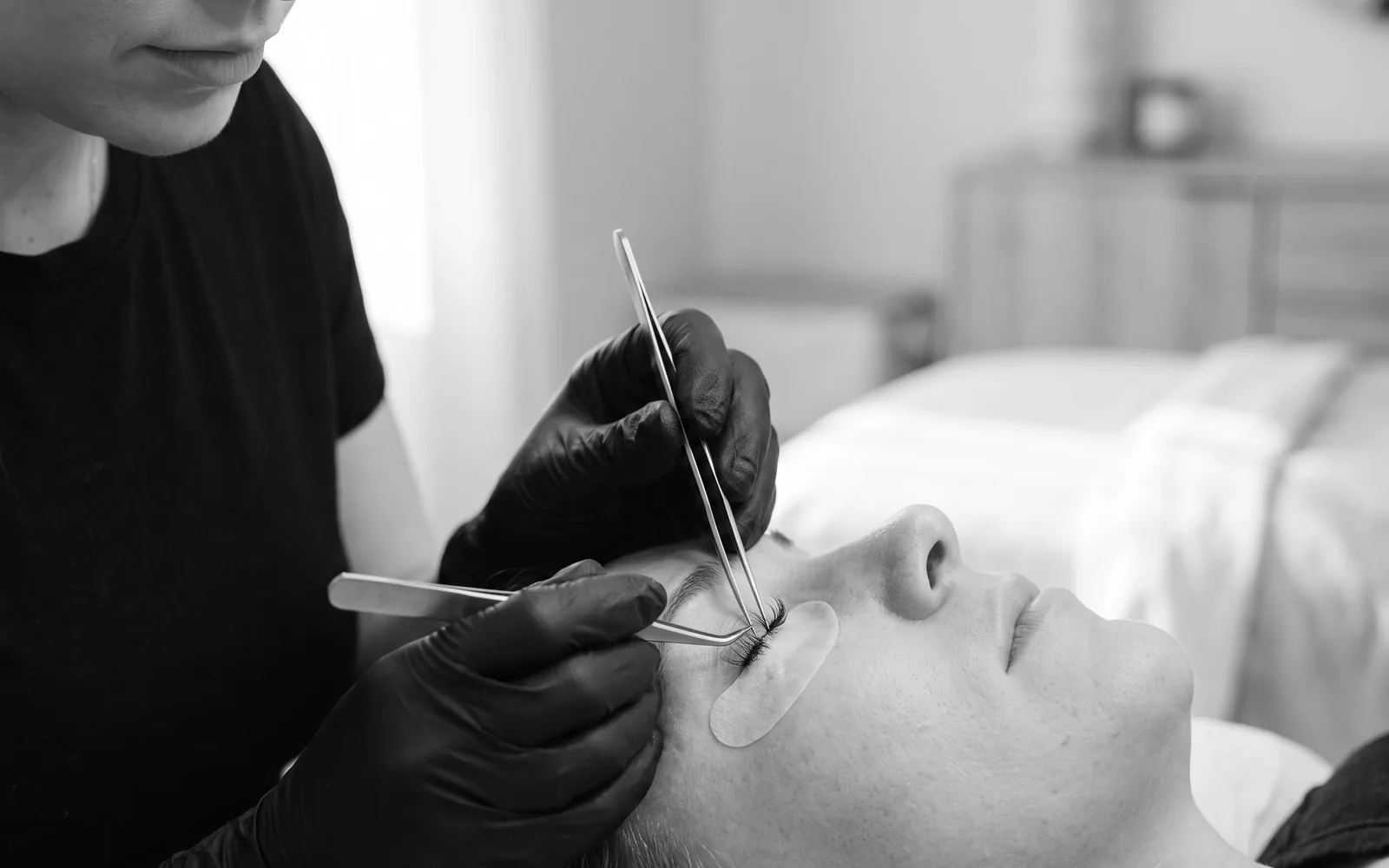
If you wear extensions, pulling or picking at them can take your natural lash with it. Our guide to lash extension aftercare covers the daily care that helps protect the natural lash underneath, and if you want them off, schedule a professional removal rather than doing it yourself. We offer removal for sets applied at BZ Esthetics and for sets applied elsewhere.
Lash Growth Products: Why to Ask a Healthcare Provider First
Lash growth products are a popular topic, so it is worth being direct. Some are cosmetic, and some are prescription medications. They are applied close to the eye, and they can affect people differently. We are an esthetics studio, not a medical practice, so we cannot tell you whether a lash growth product is right for you.
Before you try any product that promises longer or thicker lashes, talk with your healthcare provider or an eye care professional. This is especially important if you are pregnant or nursing, take any medication, have an eye condition or have a history of allergies or sensitive skin. Ask what the product contains, what side effects are possible and whether it suits your situation.
Be cautious of any claim that sounds like a sure thing or a quick fix. Natural lash growth is gradual, and results vary from person to person.
When to See a Healthcare Provider About Lash Loss
Lashes shed normally, but some changes are a reason to get a professional opinion. Make an appointment with your healthcare provider if you notice:
- Lashes falling out suddenly or in noticeable amounts
- Patches where lashes are missing
- Thinning of the brows or hair elsewhere at the same time
- Redness, swelling, crusting, flaking or persistent itching along the lash line
- Eye pain, discharge or changes in your vision
Lash loss can have many causes, and an esthetician cannot diagnose or address them. Cleveland Clinic notes that eyelash and eyebrow loss (madarosis) can be caused by drugs you take or cosmetic products you use on your skin, and it advises visiting a healthcare provider or an eye care professional as soon as you notice changes in your eyes or the skin around them. A professional lash service should wait until your healthcare provider has weighed in. Once you have the all clear, we are happy to help you look and feel polished.
Lash Lifts and Tints: Low-Commitment Ways to Look Fuller
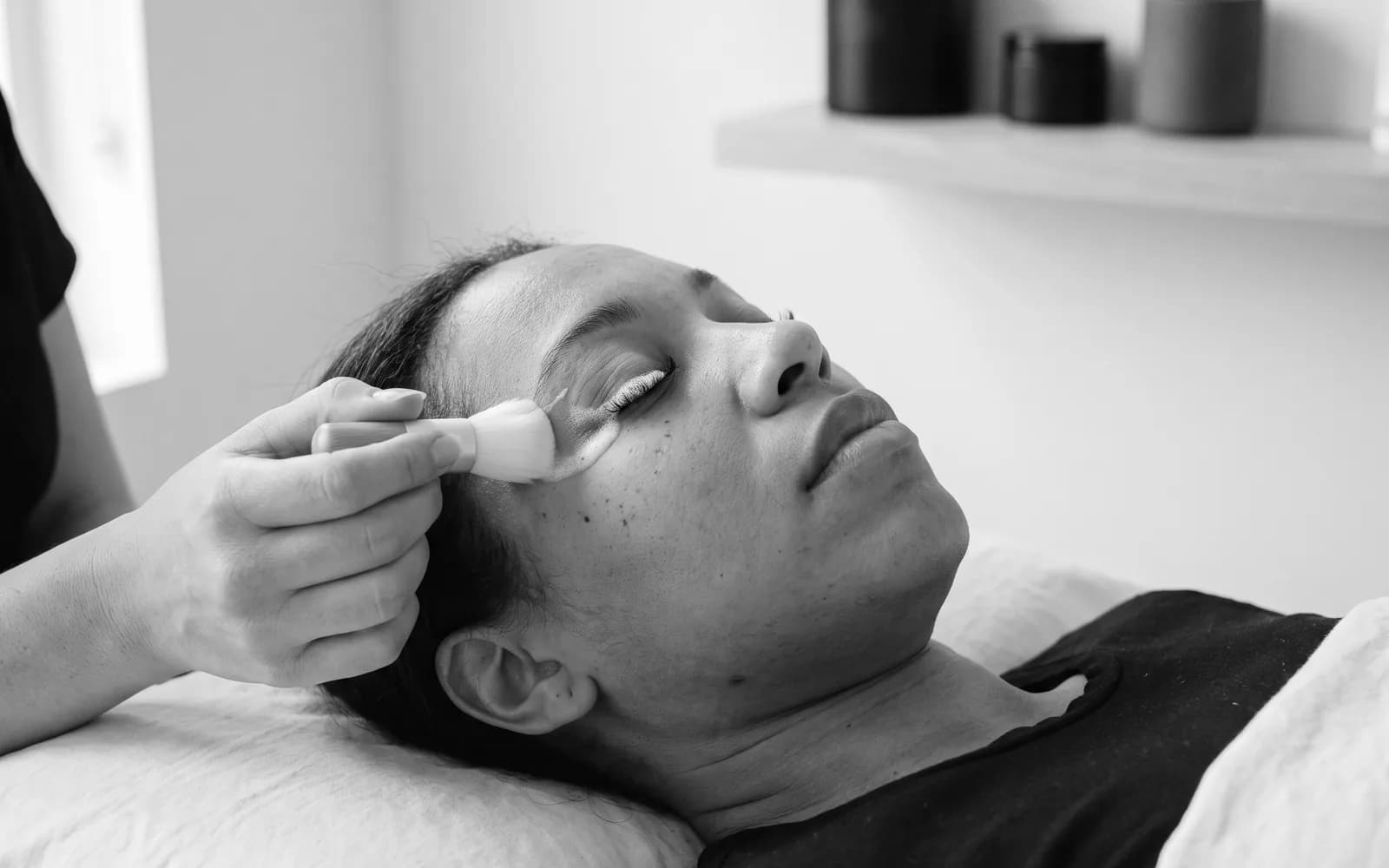
If your natural lashes are healthy but short, straight or light in color, a lash lift and tint can change how they look without extensions and without a daily routine of curlers and mascara. To be clear, neither service changes how your lashes grow. They change how the lashes you already have appear.
What is a lash lift?
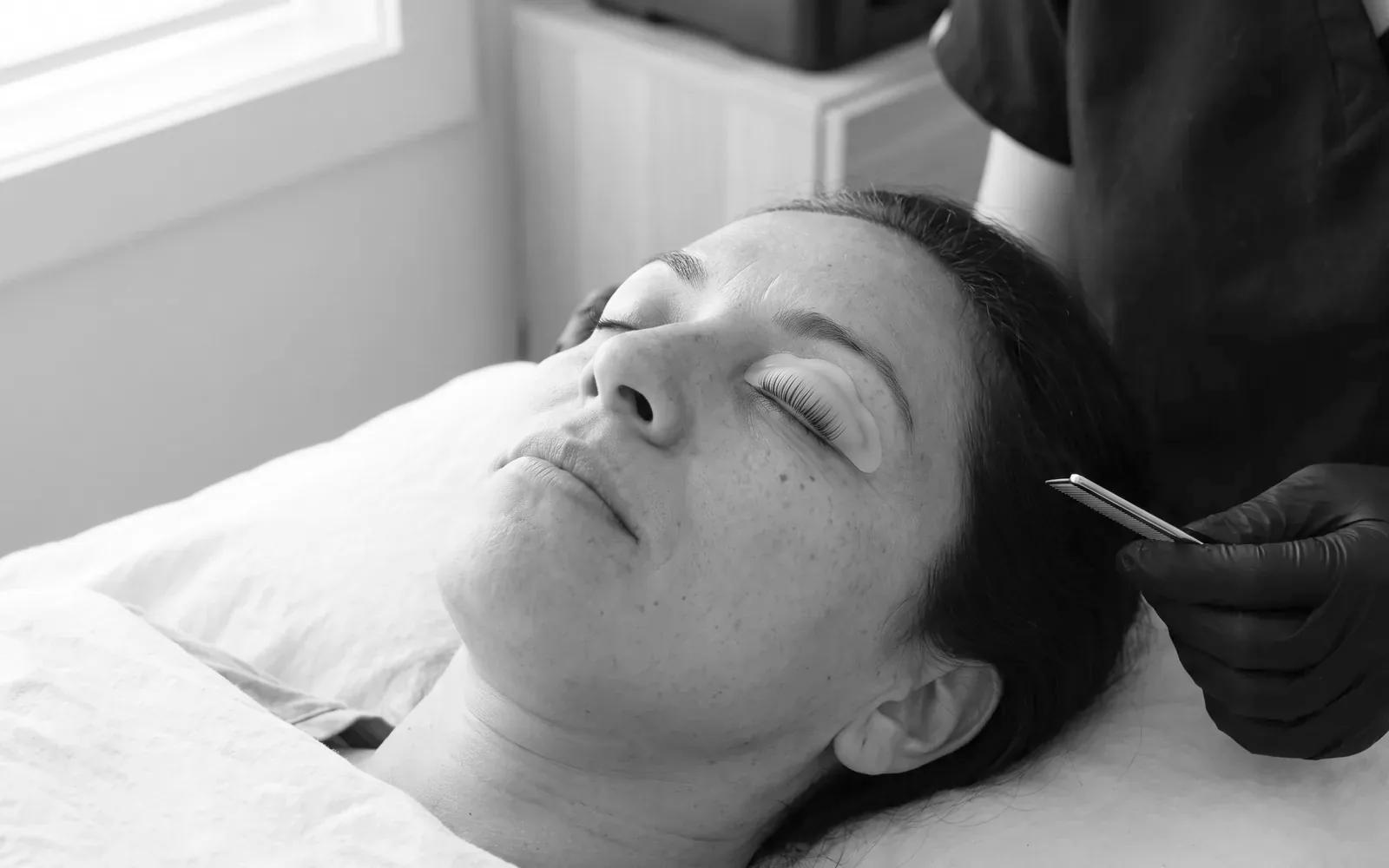
A lash lift is a semi-permanent curl applied to your natural lashes. It lifts them away from the lid so they appear longer and your eyes look more open. It works like a perm for lashes: a review of hair cosmetics in the International Journal of Trichology explains that perm solutions such as ammonium thioglycolate selectively weaken the hair's cystine bonds, and that a neutralizing solution then sets the new shape, and the curl typically fades as those lashes shed and new ones grow in. At BZ Esthetics Studio, a lash lift takes about 60 minutes, and the curl typically lasts six to eight weeks, which lines up with how lashes naturally shed and new ones come in. Many clients like it because there is nothing to fill, brush or sleep carefully around.
What is a lash tint?
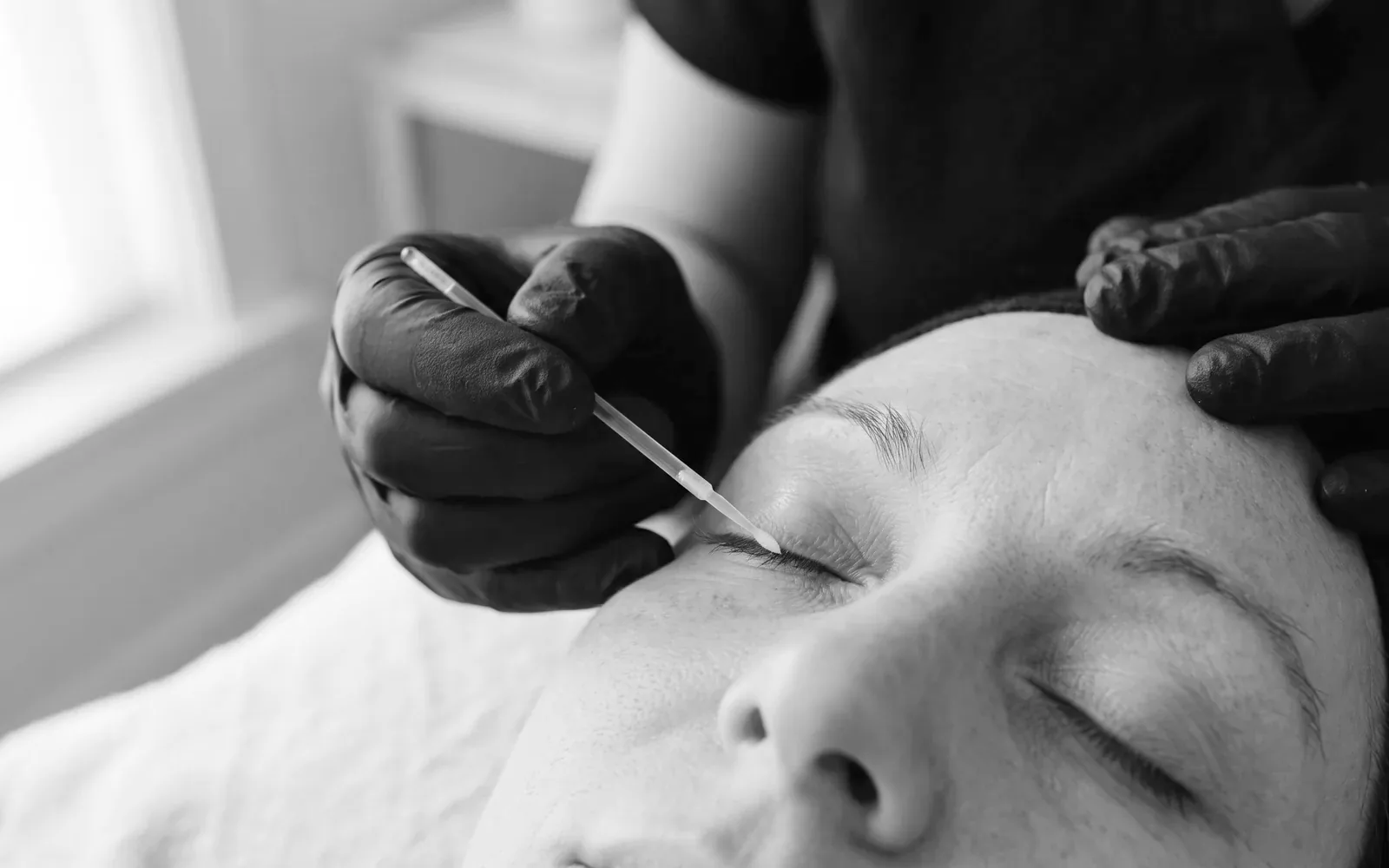
A lash tint adds semi-permanent color so pale or light lashes look darker and more defined, which means many clients feel comfortable skipping mascara. A single lash tint takes about 20 minutes for upper or lower lashes, and tinting both takes about 30 minutes.
Lift with tint
Combining the two is a popular choice. A lash lift with upper tint takes about 75 minutes, and adding the lower lashes brings it to about 90 minutes. Because you are wearing less makeup, you also remove less of it, which is a natural fit with the gentle habits above.
Who should talk to a healthcare provider first?
Both services involve products close to the eyes. If you have an eye condition, recent eye surgery or irritation, a history of allergies or sensitive skin, are pregnant or take medication, please check with your healthcare provider before booking. We also recommend telling us about any past reaction to adhesives, dyes or lash products so we can make an informed plan together. If you are weighing a lift against extensions, our guide to lash lifts versus extensions walks through the differences, and our lash services page lists everything we offer.
Frequently Asked Questions
Can I make my natural lashes grow faster?
Not reliably. Lashes grow on their own cycle, and patience is the honest answer. What you can do is avoid the habits that pull out or break lashes, remove makeup gently and give new lashes time to reach their length. For a lash growth product, ask your healthcare provider first.
Is it normal to lose lashes every day?
Yes, shedding a few lashes is part of the natural cycle. If you notice bare patches, a sudden change in fullness, or irritation, check with your healthcare provider.
Does a lash lift damage my natural lashes?
When a trained professional performs it on healthy lashes and you follow the aftercare, many clients find a lash lift a comfortable, low-maintenance option. It is not right for everyone, and lashes can feel dry or become brittle if a lift is repeated too often or done poorly, so ask your esthetician about your lashes first. Everyone's lashes and skin are different, and if you notice irritation afterward, contact the studio and your healthcare provider.
How long should I wait between lash lifts?
Because a lift typically lasts six to eight weeks, many clients rebook in that window as the curl relaxes. If your lashes feel dry or brittle, tell us at your visit. We may suggest waiting longer between appointments.
Should I wear mascara after a lash tint?
Many clients skip it because the tint gives definition. If you do wear mascara, remove it gently every night.
Why Choose a Professional Esthetician for Lash Care
Lash services happen close to the eye, so technique and hygiene matter. A trained esthetician looks at your natural lashes first, asks about your sensitivities and routine, and recommends only what suits you, which sometimes means suggesting you wait or see a healthcare provider before booking. At BZ Esthetics Studio you can expect a clean, calm setting, clear aftercare guidance and honest advice about what each service can and cannot do. If gentler habits are enough for now, we will say so.
Book Your Lash Visit in Copley
If you want your natural lashes to look their best, we would love to help. Whether you start with a lash lift, a tint or simply a conversation about your lashes, you can book an appointment online. We proudly serve Copley, Montrose, Fairlawn, Akron and the rest of Summit County. If you have questions first, contact the studio and we will happily point you in the right direction.
Results vary from person to person, and this article is general information, not medical advice.
Book your visit
BZ Esthetics Studio is in Copley, Ohio. Every visit is by appointment.
BZ Esthetics Team
Our team of licensed estheticians and beauty professionals share their expertise to help you achieve your beauty goals. Every article is researched, fact-checked, and written with your wellness in mind.